Can Shedding Pounds Improve Sleep Apnea?
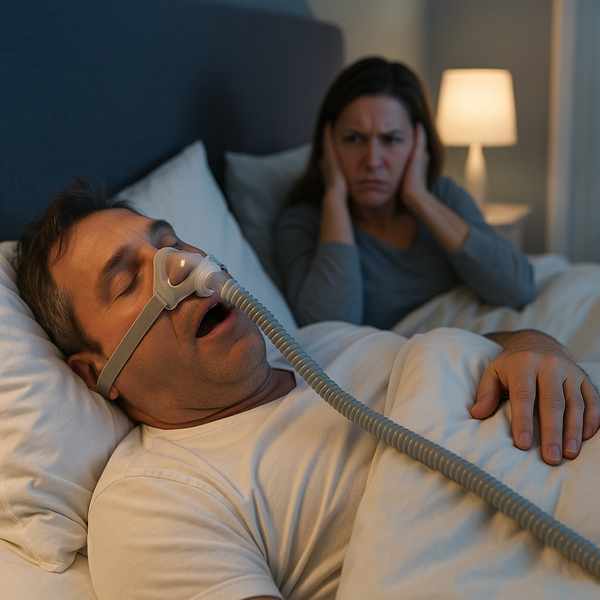
One of the most discussed connections to sleep apnea is excess weight — leading many to ask: can weight loss cure sleep apnea?
Let’s explore how shedding pounds can affect this sleep condition.
Understanding Sleep Apnea
Sleep apnea occurs when breathing repeatedly stops and starts during sleep.
Common symptoms include:
- Often reported by sleep partners
- Choking or gasping during sleep
- Excessive daytime tiredness
- Signs of disrupted oxygen flow
How Obesity Impacts Breathing
Carrying extra weight, especially around the neck and upper body, can put pressure on the airway during sleep.
Key risk factors include:
- More weight increases OSA risk
- Narrows the airway path
- Can contribute to airway collapse
Is It Possible to Eliminate Symptoms Naturally?
Especially in individuals with mild to moderate OSA, lifestyle changes can be very effective.
Possible benefits of weight loss:
- Less airway obstruction
- Better oxygen flow
- More natural treatment options
- Improved sleep quality and energy
However, weight loss may not cure sleep apnea in all cases — especially if anatomical issues or severe OSA are present.
How Much Weight Loss Is Needed?
Even modest weight loss can have a big impact.
Tips:
- Focus on progress, not perfection
- Combine diet and exercise
- Notice snoring, energy, and daytime fatigue improvements
Lifestyle Changes That Help
Effective strategies:
- Eat a balanced, whole-food diet
- Exercise regularly (cardio + strength)
- Sleep on your side
- Avoid alcohol and sedatives
Working with a nutritionist or sleep specialist can provide more personalized support.
Other Treatments Besides Weight Loss
While weight loss is helpful, it may not fully resolve sleep apnea for everyone.
- CPAP therapy (Continuous Positive Airway Pressure)
- Oral appliances
- To remove excess tissue or reposition structures
Is Weight Loss the Answer?
For those whose apnea is linked to weight, shedding pounds is often website a powerful, non-invasive solution.
Talk to your healthcare provider, make informed decisions, and take proactive steps toward better health and rest.